


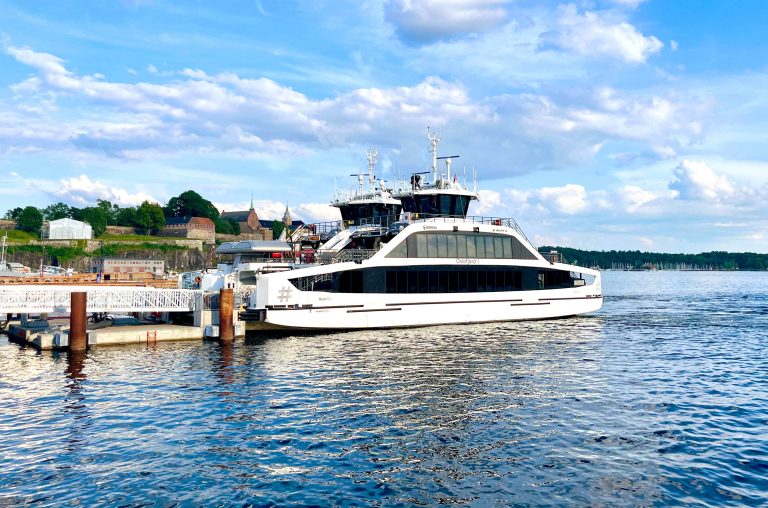
A new mode of transport is sweeping cities across the world, making tourism greener with a futuristic look. Electric ferries have been gaining traction as a common method of transport over the last decade and they may solve more than one problem plaguing global destinations.
These battery-powered boats are just one way cities around the world are working toward cleaner energy via electric transit. According to Conde Nast Traveler (CN Traveler) electric passenger ferries offer a host of benefits for local communities, including easing road congestion and making transit faster and more effective.
“An electric battery ferry is a zero-emission option for commuters who may instead have to take a car across a bridge in gridlocked traffic,” said Elise Sturrup, a marine researcher at the International Council on Clean Transportation. CN Traveler predicts cities will continue to be eager to incorporate electric ferries into public transport offerings not just for green purposes, but because they can ease the effects of mass tourism while also offering scenic rides to passengers. Fortune Business Insights, a market researcher, predicts that the electric ships market will be worth around $11 billion by 2027.
The first electric ferry was introduced in Norway over a decade ago, according to Maritime Cleantech, and Europe continues to be a leader in electric ferry use. In Sweden a 30-passenger ferry shuttle will begin a testing phase this summer. The model is slated to be the world’s fastest electric ship yet, with speeds reaching 35 miles per hour, CN Traveler reports. Meanwhile, Norway continues to lead the way with the country claiming over 50 electric ferries across its coastline, including models which can host between 350-600 passengers.
Thailand and India have also invested in e-ferry projects. And in New Zealand, the first electric passenger ferry began service in 2022, while Australia’s 2,100-passenger e-ship is set to start service this year.
Last year, New York City introduced its first hybrid-electric vessel into service, the Harbor Charger, which can host 1,200 passengers and 30 vehicles.
